A confident answer still needs a source
Build review habits around company knowledge and defined agent tasks, without promising error-free AI.
Editorial analysis and illustrative technical scenarios. They do not define the features or integrations included in a UTOMAI subscription. See Private AI On-prem pre-launch information.

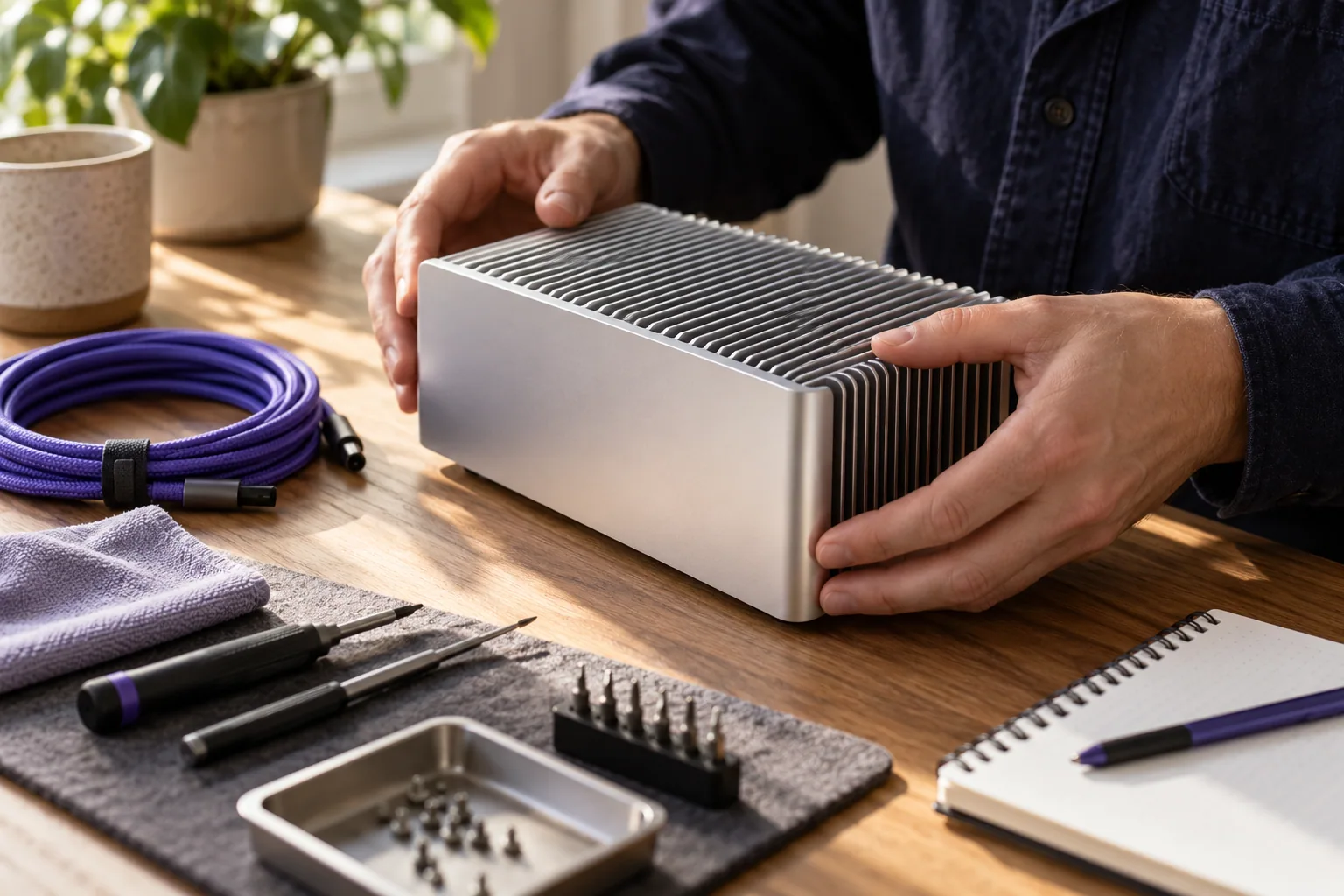
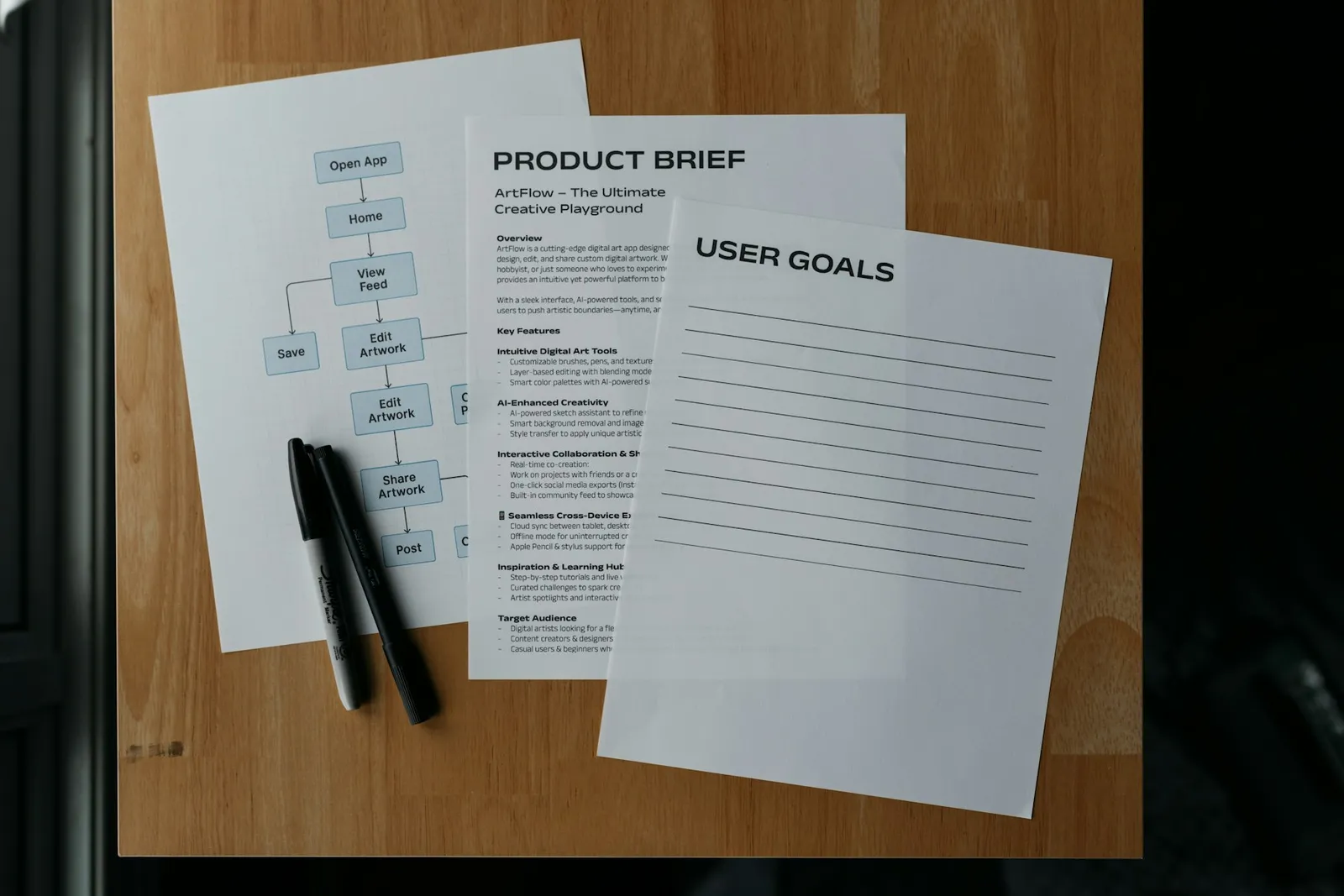
AI-generated editorial illustration. Not a product photograph or a customer case study.
An AI answer may sound convincing while missing a condition, combining incompatible passages or misreading a figure. In a business workspace, the practical question is how a colleague can check the result before using it. Confidence of tone is not evidence.
Ground the task in approved material
Use a knowledge set with a named owner and current documents. Ask the assistant for the supporting passage where the configuration supports references. Compare important claims with the original, especially commercial amounts, dates and technical conditions.
Test limits as well as useful answers
A representative evaluation includes unanswered questions, old versions and poor-quality documents. Check whether the answer is supported and whether a colleague would know when to stop. Using local models instead of cloud models changes the processing boundary, not the need to review output.
Separate drafting from action
Preparing a reply inside UTOMAI and sending it to a customer are different capabilities. Writing to an ERP or automatically sending messages requires an agreed integration and action rules. Those extensions should specify validation, authorization and exception handling before they are enabled.
Review the same sample questions after a model, instruction or knowledge change. The objective is a platform the team can use with informed judgment, with responsibilities made clear. No deployment choice makes every generated statement correct.